Essential RC Transmitters & Radio Controllers – A Guide for Beginners & Upgraders
A complete guide to understanding RC transmitters, radio systems, and what features matter for Tamiya, Kamtec and 1/10 RC cars.
🔍 Quick Summary
- What it is: A guide to choosing and understanding RC transmitters and radio systems
- Who it’s for: RC beginners, bashers, racers and anyone upgrading from RTR radios
- Why it matters: Better radios improve control, range, response time and driving confidence
- Skill level: Beginner to intermediate
📡 Why Your RC Transmitter Matters
Your transmitter is the main connection between you and your RC car. A good radio system gives you:
- Smoother control
- Faster response
- Better range
- More reliability
- Less interference
- More tuning options
Cheap RTR radios work — but upgrading transforms how your car feels.
Whether you run Tamiya TT‑02, MB‑01, Kamtec bangers or 1/10 touring cars, a quality transmitter makes driving easier and more precise.
🧰 Types of RC Transmitters
There are three main types used in RC cars:
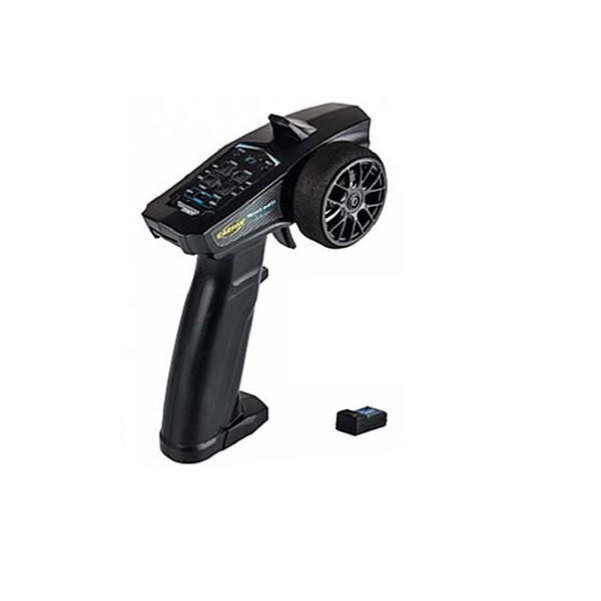
🕹️ 1. Pistol‑Grip Transmitters (Most Common)
These are the standard for 1/10 RC.
Features:
- Trigger for throttle/brake
- Wheel for steering
- Comfortable for long sessions
- Great precision
Used by: Tamiya, Kamtec, racing, bashing
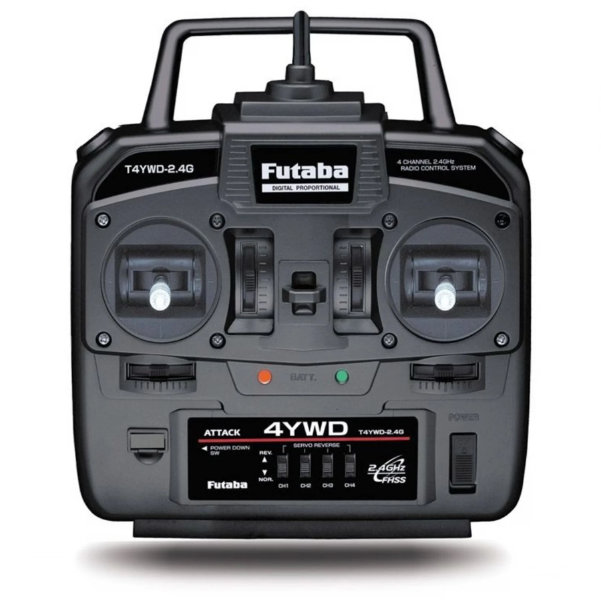
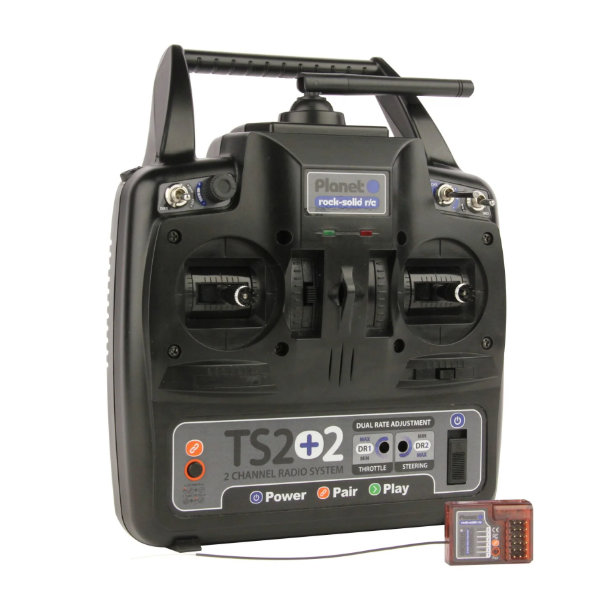
🎮 2. Stick Transmitters
Less common today but still used by some hobbyists.
Features:
- Two vertical sticks
- Old‑school feel
- Popular with vintage RC fans
Used by: Tamiya vintage, aircraft pilots, classic RC collectors
📶 3. Surface Radios with Advanced Features
High‑end radios for racing and precision driving.
Features:
- Ultra‑fast response
- Telemetry
- Adjustable curves
- Model memory
- Gyro compatibility
Used by: racers, competitive drivers, high‑performance builds
🛠️ Key Features to Look For in an RC Transmitter
These are the features that actually matter — explained simply.
🔄 Model Memory
Lets you store multiple cars on one transmitter.
Useful if you own:
- Several Tamiyas
- Multiple Kamtec bangers
- Race and bash cars
🎚️ End Point Adjustment (EPA)
Controls how far the servo travels.
Used for:
- Protecting steering components
- Setting throttle limits
- Preventing servo binding
Essential for beginners and racers.
⚙️ Dual Rate & Exponential
Fine‑tunes steering sensitivity.
- Dual Rate: Limits total steering throw
- Expo: Softens steering around centre
Makes cars easier to control at speed.
📡 2.4GHz Spread Spectrum
Modern radios use 2.4GHz for:
- No crystals
- No interference
- Auto‑binding
- Long range
Every modern RC should use this.
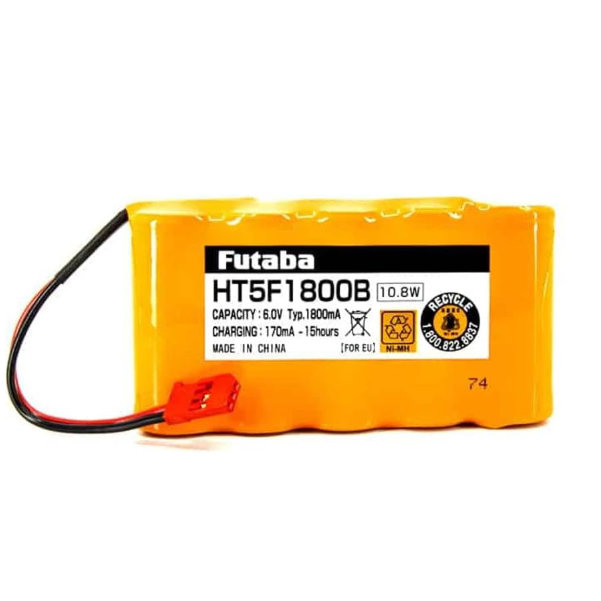
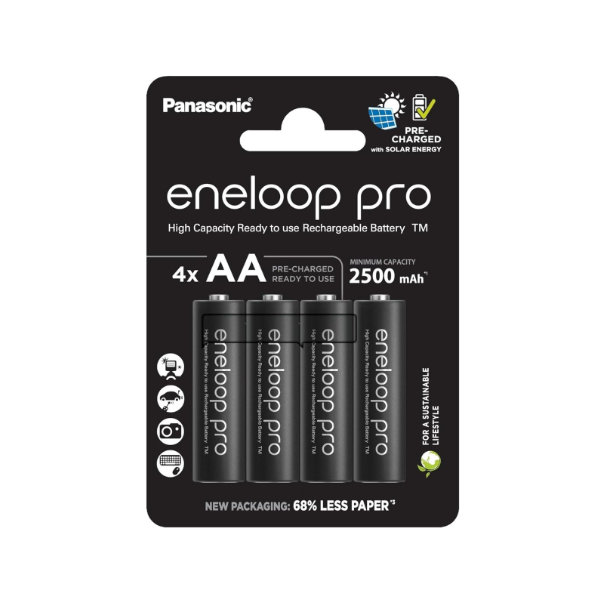
🔋 Battery Options
Transmitters may use:
- AA batteries
- Li‑ion packs
- USB charging
Rechargeable packs are cheaper long‑term.
⚠️ Safety & Setup Tips for RC Radios
- Always check steering direction before driving
- Set throttle EPA to avoid over‑driving ESCs
- Keep transmitter batteries charged
- Never drive with a damaged antenna
- Rebind if you experience glitches
🛠️ Beginner Mistakes to Avoid
- Using RTR radios for too long
- Not setting EPA (causes servo damage)
- Forgetting to centre trims
- Driving with low transmitter batteries
- Buying a radio with no model memory
Avoid these and your driving experience improves massively.
💡 Pro Tip
For the smoothest control: Set steering expo to +20–30% and reduce dual rate slightly. This gives precise steering without twitchiness.
🏁 Final Thoughts
Your transmitter is the most important upgrade you can make to your RC setup. A good radio system gives you:
- Better control
- More confidence
- Faster response
- Cleaner driving
- Safer operation
Whether you’re running Tamiya kits, Kamtec bangers or 1/10 touring cars, upgrading your transmitter transforms the way your car feels on the track.
Add a quality radio to your RC toolbox and you’ll notice the difference instantly.